Table Of Content
- Who should avoid using rice water on their skin?
- Rice Water for Hair: A Hair Regrowth Treatment?
- Is Rice Water Really Good For Your Skin? Experts Weigh In On The Recent TikTok Trend
- Selenium Sulfide Shampoo: What You Should Know About This Flake-Fighting Product
- Hair Growth Spray
- Does rice water benefit the scalp, too?
- Use it in: Milk face wash

Our team aims to be not only thorough with its research, but also objective and unbiased. The information in our articles is NOT intended to replace a one-on-one relationship with a qualified health care professional and is not intended as medical advice. If you are concerned about the safety of any personal care product, contact a healthcare provider for guidance. My hair was still extremely soft, but not in a feathery, light way — in a fuller and more noticeable way, like I had developed a partial mane. I wore my hair half up in a bun with a regular ponytail holder (I usually always need to use scrunchies to prevent breakage, no exceptions), and effortlessly pulled it out, letting my hair fall as if it had never been pulled up.
Who should avoid using rice water on their skin?
To learn more, we reached out to celebrity stylists Nai'vasha and Weezy, who let us in on everything there is to know about this simple and effective hair treatment. Interestingly, though, the buzzy treatment is nothing new, despite its recent surge in popularity among natural hair vloggers, haircare enthusiasts, and celebrities alike (Cardi B swears by it!). In fact, the Yao women of southern China have been using rice water in their regimen for centuries, and it's said to be the secret behind their long Rapunzel-like hair. You can use rice water directly on your hair or face or incorporate it into other products, such as shampoo or hair masks. You can also look for commercially sold products that are made with rice water, such as hair and skin care products that are manufactured in countries such as Korea and India.
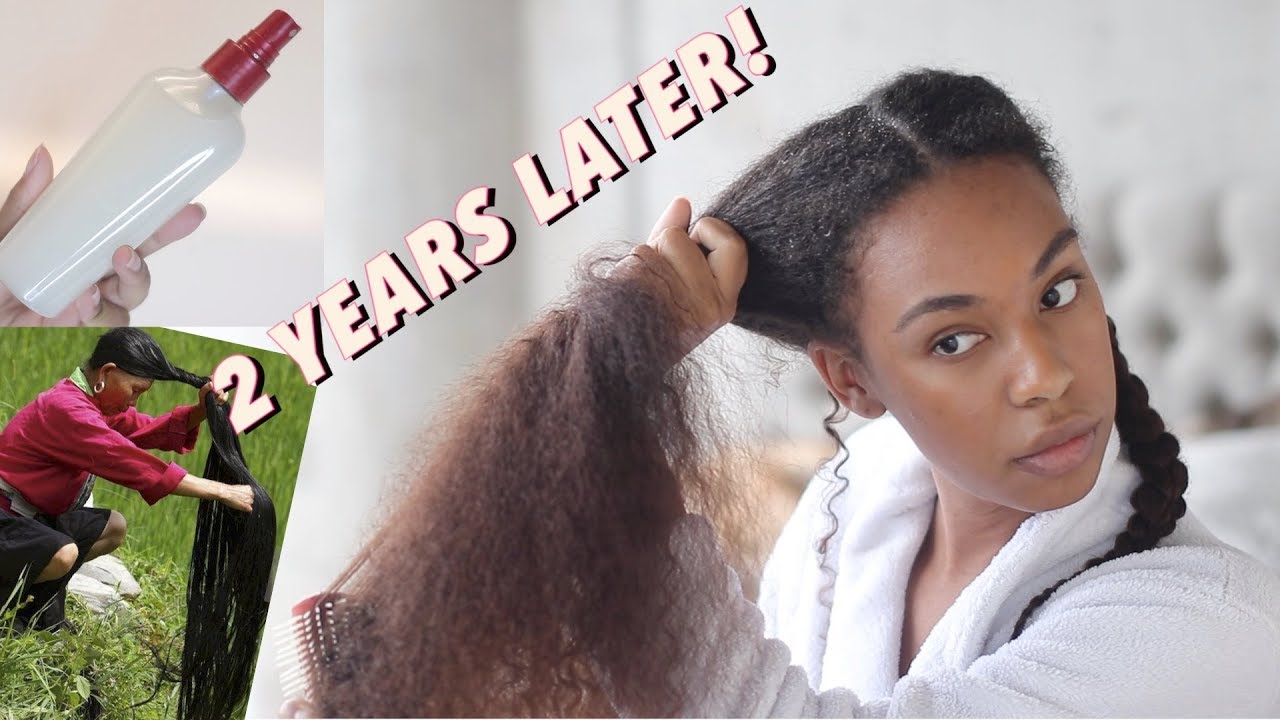
Rice Water for Hair: A Hair Regrowth Treatment?
There is some belief that fermenting rice water improves its antioxidant levels. This may have some benefits, but research is lacking that would support this claim. A research company based in Japan tested rice water and found that one of its components, inositol, penetrated the hair gradually, strengthening and protecting the hair. If you're experiencing hair loss, you shouldn't try rice water as your first treatment.
Is Rice Water Really Good For Your Skin? Experts Weigh In On The Recent TikTok Trend
If you notice side effects like itching, redness, worsened irritation or increased dryness, stop using this ingredient. These may be signs that you’re not responding well due to issues such as yeast growth or an allergy. Like other beauty products, use a small amount at first to test your reaction. To prevent an allergic reaction, don’t use products containing this ingredient if you have a known rice allergy. It’s generally non-toxic and non-irritating, and it’s even suitable for those with a sensitive scalp and skin. However, it can trigger irritation among people with allergies to rice.
Selenium Sulfide Shampoo: What You Should Know About This Flake-Fighting Product
You can make your own rice water, but what do you do with it?! Vitamin E. Vitamin E is high in a type of antioxidant called tocotrienol. It's been shown to promote hair growth in people who have alopecia, which is a disease that causes hair loss. Just like there's no shortage of anecdotal testimonials of using rice water for hair, there's also about a zillion different recipes (I counted) online to try. If the stories you've heard are convincing enough for you to give it a shot anyway, you can easily make the rice water yourself at home. Dr. Rabach suggests adding four times as much water as rice, boiling it, then straining it to get your water, or you can follow this popular YouTube video that goes into all the details.
7 Best Natural Oils for Hair Growth - Real Simple
7 Best Natural Oils for Hair Growth.
Posted: Thu, 29 Feb 2024 08:00:00 GMT [source]
If you’re dealing with weak, damaged hair or a dry scalp or simply want to level up your hair-care routine to help strands be as strong and healthy as possible, adding rice water to your hair-care routine could be key. Every so often, a new ingredient becomes very popular in the hair care world, and we start seeing it show up everywhere. Rice water is the starchy liquid that is left over after you cook, boil, or soak rice. From the benefits of hair growth to shinier and stronger strands, there is plenty to gain from this latest buzz-worthy ingredient, rice water for hair. Just as all of the experts SELF spoke with agreed on the potential cosmetic benefits of rice water, they also all recommended taking its supposed hair growth benefits with a grain (pun intended) of salt.
Hair Growth Spray
Below, experts break down the beneficial components of rice water for hair and the scalp, and we share some of our favorite rice-water products to try out for yourself. That said, there's "a lack of scientific studies on the true benefits of using rice water on the skin or hair," says board-certified dermatologist Ana Karp, MD. But that doesn't mean all the good buzz behind it has no value. "Even if we don't have great clinical studies or hard data to support these things, knowing that it's been a tried and true treatment for many years holds some weight," adds board-certified dermatologist Blair Murphy-Rose, MD.
Simply shampoo and condition your hair like normal; once your conditioner is rinsed out, apply the rice water all over your hair. Let the mixture sit on your hair for 2-5 minutes and then rinse it out. Like other hair treatments, using rice water for hair once or several times per week may give you the best results. There’s no detriment to using it often or even every other day, so this is really up to you.
Use it in: Milk face wash
Can Rice Water Help With Hair Growth As Social Media Claims Expert Answers - Onlymyhealth
Can Rice Water Help With Hair Growth As Social Media Claims Expert Answers.
Posted: Fri, 26 Jan 2024 08:00:00 GMT [source]
This water is high in starch and is thought to provide benefits when applied to the hair. A 2023 article published in the Journal of Cosmetic Dermatology states that preliminary studies of phenols, which are a compounds found in rice, show promise for hair, but there is no evidence of rice water improving hair growth. Most scientific evidence about the treatment is inconclusive, so more research is needed to prove the benefits of using rice water. To ferment rice water, follow steps 1–4 of the soaking method. Before straining, leave the rice water to stand at room temperature for up to 2 days, allowing it to ferment.
"If you leave it on too long, it can potentially dry your hair out and cause more harm than good. Avoid the treatment altogether if you have very fine or thin hair since rice water could weigh it down." Another beneficial component of rice water, inositol, is a vitamin-like substance often found on the ingredient lists of hair growth supplements. "Studies have shown that inositol can prevent hair damage and repair weak, breakage-prone hair," Dr. Sobel says. A lot of the benefits of rice water for hair are anecdotal, and more studies need to be done before reaching any definite conclusions on rice water for hair. This rich, strengthening shampoo helps restore fragile hair to a stronger, healthier state.
As a facial treatment, rice water can be incorporated into a cleansing routine, but it’s more frequently used for hydrating afterward. Simply wash your face with your favorite soap-free gentle cleanser, then apply a generous amount of rice water with a cotton round. Welcome to Hello Glow, where you'll learn all about making clean beauty products with herbal ingredients and essential oils. Read on for our best tips, techniques, and recipes for natural beauty. Like everything, rice water isn’t a one-size-fits-all beauty product.
Yet, the FDA has an organization called the Center for Food Safety and Applied Nutrition (CFSAN) to monitor hair care products for their safety. People with scalp inflammation, such as those with eczema or atopic dermatitis, should be cautious in using a rice water rinse. It might be wise to try it on a small patch for a shorter time to see if there is any reaction.
In other words, while you wait to see if that rice water works, you might also wanna pay a visit to your doctor for scientifically-backed treatments that address the cause of your hair loss or thinning. Rice water’s origins as a haircare product began in Japan as a rinse. It is now used by women around the globe in many capacities, including its original form. Rice water is very mild and the chance of an adverse reaction is low, however you should monitor your hair and scalp for dryness. Flowers explains that applying rice water to the scalp or hair is not a quick fix or an overnight treatment, with results likely only being observable with consistent use – once or twice per week on average, contingent upon texture. As with any new treatment, a dermatologist should be consulted, especially if you have any pre-existing scalp conditions.
Rice water may be over-hyped on TikTok — after all, most trends on that app are — but there's a reason it's been used for generations. Rice water has been a staple in Chinese and Japanese culture for centuries, but lately, plenty of #SkinTok users have also been promoting its benefits. Gently rub it onto your lips to remove dead skin and reveal smoother, brighter lips. According to these studies, Inositol can penetrate into hair shafts to help prevent and repair current hair damage. Start pouring it on to your scalp and massaging it in, then pour it on to the rest of your hair as well. Let it rest for up to 30 minutes, then rinse it off with water.
Combine ¼ cup brown rice flower and 1-2 tablespoons of rice water to form a paste. Massage a small handful of rice gently into the skin, avoiding the eye area. Regardless, Strut Hair Formula for women and Finasteride or Dutasteride oral or topical formulas for men contain prescription medications with validated hair maintenance and potential hair regrowth benefits. "Rice water works best on natural, non-processed hair (no chemicals)," said Weezy. "The amount of protein in rice water can snap chemically processed hair if overused." This article is based on scientific evidence, written by experts and fact checked by our trained editorial staff.
This article will discuss the possible benefits and risks of using rice water. It will also cover circumstances when rice water should not be used. People with eczema or atopic dermatitis have inflammation and itching because their skin can't maintain an adequate moisture barrier. Although you may not have any problems using rice water if you have eczema, it's best to test a small area first or talk with your dermatologist. Add two to three cups of water and let the rice soak for 30 minutes to two hours. The authors note that rice water may reduce surface friction and increase hair elasticity.




No comments:
Post a Comment